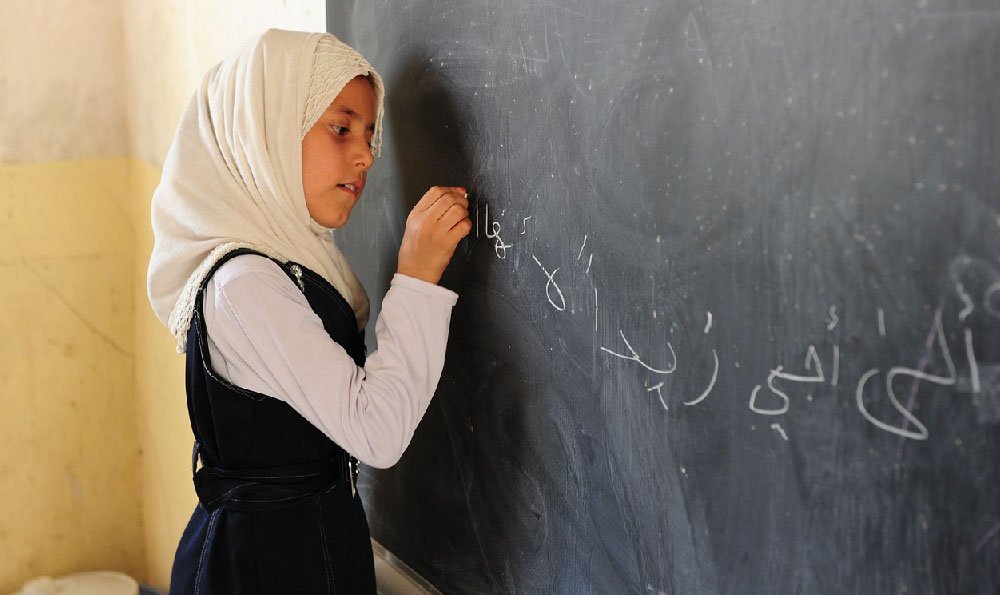
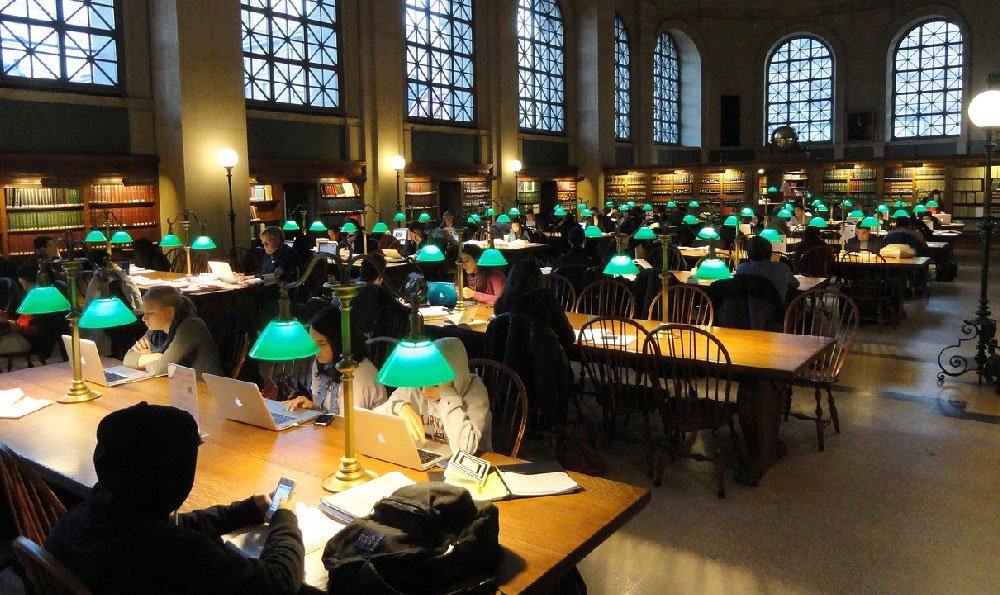
双减政策是指中国政府在教育领域推行的减负、减超课外培训的政策。该政策的出台旨在减轻学生过重的学业负担,促进教育公平,并引导家长、学校和社会共同为培养全面发展的人才共同努力。双减政策的实施对于家教行业无疑带来了一定的影响。
二、家教行业的现状
家教行业作为一种特殊的教育服务形式,一直以来都扮演着辅助教育、提升学生学习成绩的重要角色。随着双减政策的实施,家教行业面临着一定的挑战。一方面,政策要求学校减少课外培训,这使得一些学生的学习压力减轻,家长对家教的需求也相应减少。另一方面,一些家长对于家教是否符合政策要求存有疑虑,担心自己的孩子参加家教会被认为是超负荷学习。
三、家教行业的适应与转型
面对双减政策下的调整,家教行业亟需适应和转型。家教机构应积极响应政策,合规经营,规范管理,确保所提供的服务符合政策要求。家教机构可以通过拓宽服务领域,提供更多的非学术类辅导,如兴趣培养、素质教育等,以满足家长和学生的多样化需求。家教行业也可以将目光投向在线教育领域,提供远程教育服务,以适应政策带来的变化。
四、家教行业的发展机遇
虽然双减政策对家教行业带来了一定冲击,但也为家教行业带来了一些发展机遇。政策的出台使得家教行业进入规范化的轨道,有利于行业的健康发展。随着教育观念的更新和家长对素质教育的需求增加,家教行业可以转型为提供更多素质教育和兴趣培养方面的服务,从而寻找到新的发展空间。技术的进步和在线教育的兴起为家教行业提供了新的增长点,通过在线教育平台,家教可以更好地满足学生和家长的需求,并提供更便捷、高效的服务。
总结
双减政策下,家教行业所面临的挑战与机遇并存。适应政策的调整和转型是家教行业未来发展的关键。通过规范管理、提供多样化的教育服务和积极拥抱在线教育等方式,家教行业可以为学生提供更全面、个性化的辅导,同时也推动行业的可持续发展。
双减政策下小学数学作业设计课题
一、引言

随着双减政策的推行,小学数学作业设计成为了教育领域的热点话题。在过去的教育实践中,有些学生数学作业的负担过重,可能会导致厌学情绪的产生。针对小学数学作业的设计成为了关注的焦点。本文将就双减政策下的小学数学作业设计进行探讨。
二、外部环境的变化
双减政策对小学数学作业设计产生了一定的影响。政策要求对学生的上课时间进行合理安排,减轻学生的课后作业负担。这要求教师在设计数学作业时,要更加注重质量而非数量。小学数学作业的设计需要更加注重巩固知识、培养学生的兴趣和培养学生的创新思维等方面的要求。
三、小学数学作业设计的原则
在双减政策的背景下,小学数学作业的设计应遵循一定的原则。作业设计应该注重巩固学生掌握的知识,加深对所学知识的理解和运用。小学数学作业的设计要关注学生的个体差异,根据学生的学习特点和能力水平进行差异化设计,以满足不同学生的需求。小学数学作业设计应注重培养学生的兴趣和激发学生的学习动力,通过设计一些趣味性的题目或活动,激发学生的学习兴趣和积极性。
四、小学数学作业设计的实践案例
双减政策下,一些学校和教师已经开始尝试新的小学数学作业设计方法。在设计作业时,教师可以根据学生的实际情况,设置不同的难度等级,让学生根据自己的实际情况选择适合自己的题目。可以设计一些拓展性的题目,让学生进行更深入的思考和探索。还可以设计一些与日常生活相关的数学题目,让学生在解题的过程中感受到数学的实际应用。通过这些新的小学数学作业设计方法,能够更好地实现教育的目标,提高学生的学习效果和兴趣。
双减政策下的小学数学作业设计是一项重要而迫切的课题。通过加强对作业设计的指导和培训,教师能够更好地理解和掌握这一课题,设计出更具科学性和实用性的小学数学作业,提高学生的学习效果和兴趣,促进他们全面发展。这样的努力将为培养优秀的数学人才和提高国家数学水平做出积极的贡献。
Double Reduction Policy in China
Introduction

The Double Reduction Policy, also known as "Dual Control", is a key policy implemented by the Chinese government to address issues of overcapacity and pollution in several industries. This article aims to provide an objective and informative overview of this policy, supported by facts and data. The language used will be concise, accurate, and accessible to a wider audience, avoiding excessive use of jargon and complex terminology.
1. Background and Objectives
The first aspect to consider is the background and objectives of the Double Reduction Policy. The policy was introduced in 2016 with the aim of reducing excess capacity in industries such as steel, coal, and cement, which were facing severe overproduction and environmental challenges. The government recognized the need to balance economic growth with environmental sustainability. Through the policy, capacity reduction targets were set, encouraging the closure or upgrading of inefficient and polluting facilities.
2. Implementation and Impact
The second aspect focuses on the implementation and impact of the Double Reduction Policy. To enforce this policy, various measures were taken, such as stricter environmental regulations, financial incentives for closures or upgrades, and penalties for non-compliance. As a result, a significant number of outdated and inefficient plants were shut down or upgraded, leading to a reduction in overcapacity and pollution levels. According to official data, by the end of 2020, China had eliminated over 150 million metric tons of steel production capacity, improving overall industry efficiency.
3. Challenges and Future Outlook
The third aspect discusses the challenges and future outlook of the Double Reduction Policy. While the policy has shown positive results, there are challenges that need to be addressed. The closure of factories has resulted in job losses and economic impacts in certain regions. Moreover, some industries have shifted excess production to other countries, leading to concerns about global overcapacity. To overcome these challenges, the government needs to focus on providing support for affected workers and industries, as well as strengthening international cooperation to address the issue of overcapacity comprehensively.
4. Lessons Learned and Conclusion
The final aspect reflects on the lessons learned from the Double Reduction Policy and provides a brief conclusion. The implementation of this policy has highlighted the importance of balancing economic development with environmental protection. It has demonstrated that targeted measures can effectively address excess capacity and reduce pollution. However, sustaining these achievements requires continuous monitoring, adaptation, and stronger coordination between government agencies, industries, and international partners.
In conclusion, the Double Reduction Policy in China has been crucial in tackling overcapacity and pollution in various industries. By providing a clear and objective overview, this article has demonstrated the policy's background, implementation, impacts, challenges, and future outlook. It is evident that this policy has achieved significant progress, although there are still challenges to overcome. The lessons learned from this experience will inform future policies aimed at achieving sustainable industrial development.