Title: Educating Elementary School Students about Theft and Stealing (Teaching Strategies for Third Grade English Tutoring)

Introduction:
This article aims to explore effective methods for educating third-grade elementary school students about theft and stealing. By adopting an objective, clear, and professional writing style, this article will present facts and data to support the arguments. The language used will be concise, accurate, and accessible, avoiding obscure vocabulary or jargon in favor of common words and expressions to effectively convey information.
1. Understanding the Concepts:
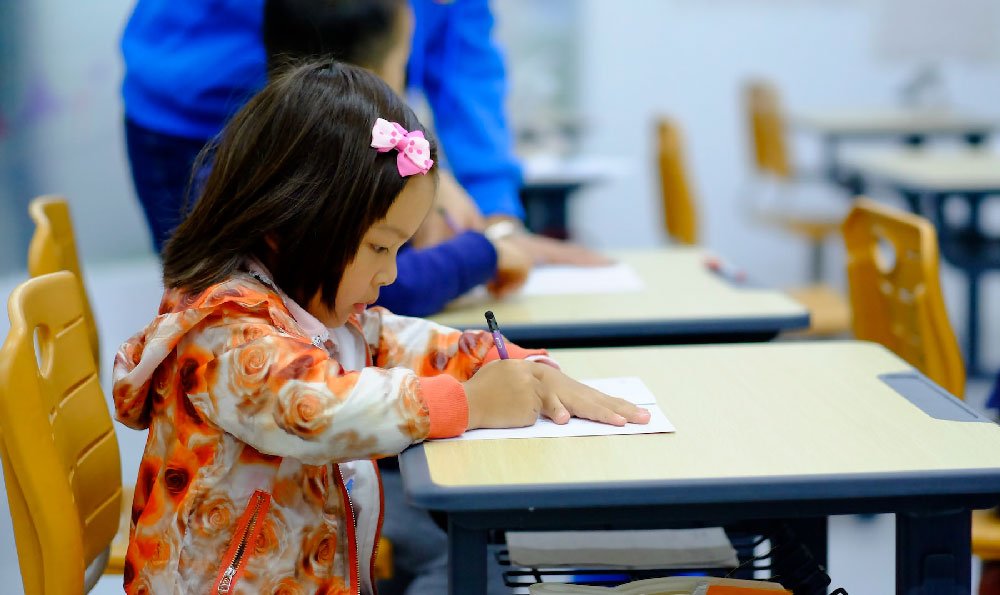
To begin with, it is crucial to introduce the topic of theft and stealing to third-grade students in a comprehensive and age-appropriate manner. Educators should explain the concepts of personal ownership, property rights, and the consequences of theft. This can be achieved by using real-life examples and engaging activities to help students grasp the seriousness of stealing.
2. Building Empathy and Moral Values:
In this section, the focus will be on nurturing empathy and cultivating moral values among young students. Teachers should encourage open discussions about the impact of stealing on individuals and the community. By role-playing scenarios and engaging students in group activities, they can develop a greater understanding of the feelings of victims and the ethical implications of their actions.
3. Teaching Problem-Solving Skills:
It is vital to equip students with problem-solving skills that can help them make better choices. By teaching them the value of negotiation, compromise, and communication, educators can help students find constructive alternatives to stealing. Utilizing interactive exercises, such as brainstorming solutions to hypothetical situations, will enable students to think critically and develop their decision-making abilities.
4. Creating a Safe and Supportive Environment:
Lastly, fostering a safe and supportive classroom environment plays a crucial role in teaching students about theft and stealing. Creating an atmosphere of trust and respect, where students feel comfortable sharing their concerns, allows for open dialogue about the motivations behind stealing. By involving parents, counselors, and school staff, educators can develop a comprehensive approach that provides guidance, support, and intervention for students who may be at risk of engaging in theft.
Conclusion:
In conclusion, teaching elementary school students about theft and stealing requires an approach that includes understanding concepts, building empathy and moral values, teaching problem-solving skills, and creating a safe and supportive environment. By implementing these strategies, educators can help students develop a strong foundation of ethical behavior, empathy, and critical thinking skills that will guide them in making the right choices throughout their lives.
小学三年级英语家教教学方法
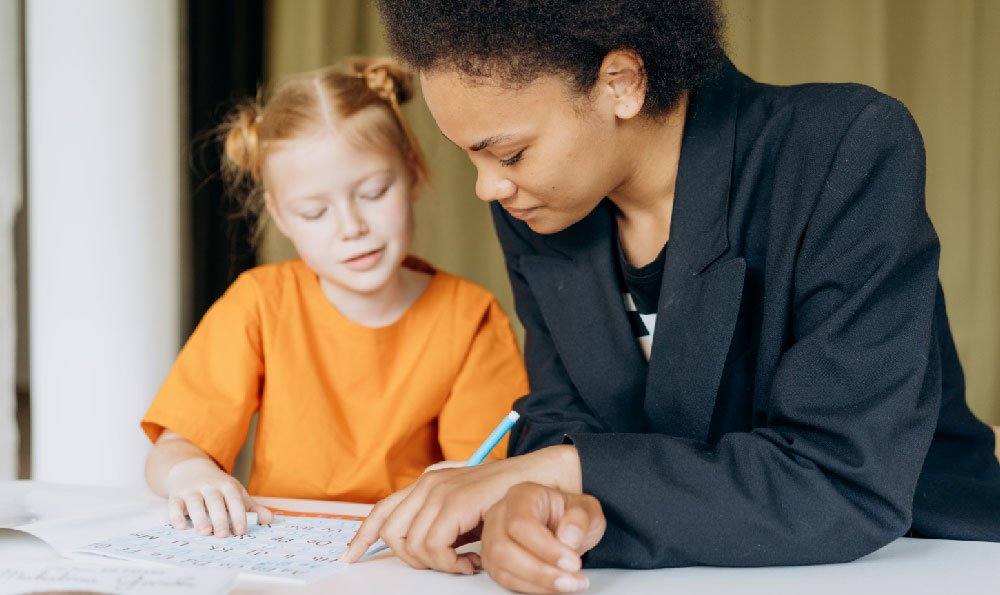
小学三年级是孩子们学习英语的关键时期,良好的英语教育为孩子们以后的学习打下了坚实基础。作为英语家教老师,我们需要采用一些有效的教学方法来帮助孩子们提高英语水平。本文将探讨一些教学方法,旨在帮助家教老师更好地教授小学三年级的英语。
一、创造积极的学习环境
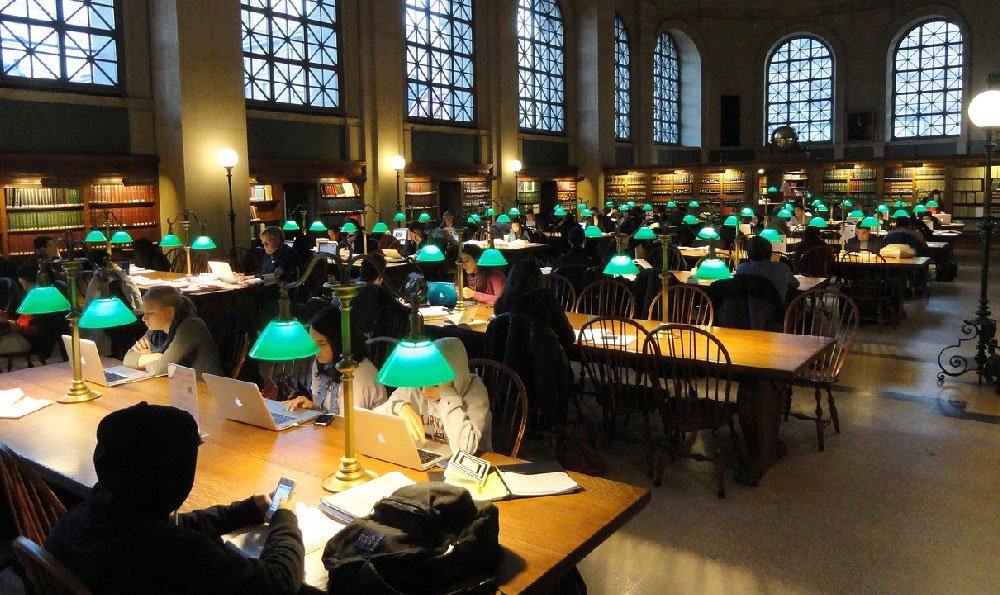
在家庭教育中,为孩子们创造一个积极的学习环境是非常重要的。家庭环境对孩子们的学习成绩和学习习惯有很大的影响。家长可以在家中为孩子们准备一间安静的学习空间,摆放一些英语学习资料,如英语绘本、英语卡片等。为孩子们制定一个合理的学习计划,每天安排一定的学习时间,并与孩子们一起完成英语学习任务,如共同朗读、做英语练习等。通过这些方式,孩子们能够在良好的学习氛围中提高英语水平。
二、使用多媒体教具
小学三年级的孩子们对于新知识的接受能力较强,他们对于听觉和视觉刺激的吸收能力也很高。家教老师可以使用多媒体教具来帮助孩子们学习英语。可以利用电视或电脑播放一些英语教学视频,让孩子们通过视觉和听觉的方式学习英语。还可以使用英语教学软件或手机应用,如英语学习游戏,使孩子们在游戏中学到知识。通过使用多媒体教具,家教老师可以更好地激发孩子们的学习兴趣,提高他们的学习效果。
三、强调口语训练
口语能力是英语学习的重要组成部分,也是小学三年级学生的英语基础。家教老师需要注重口语训练。可以通过模仿对话、角色扮演等方式,激发孩子们的口语表达能力。家教老师可以与孩子们进行日常对话,鼓励他们用英语与周围人交流,提高他们的英语口语能力。可以利用一些英语活动和游戏,如唱英文歌、玩英语单词拼图等,让孩子们在轻松愉快的氛围中培养英语口语能力。
四、灵活运用练习题
练习题在英语学习中起着重要的作用,可以帮助孩子们巩固所学知识,提高他们的英语能力。家教老师可以通过练习题来检测孩子们的英语学习效果,并及时纠正他们的错误。在选择练习题时,家教老师可以根据孩子们的实际水平选择适当的练习题,以避免孩子们感到枯燥乏味。家教老师还可以设计一些有趣的英语小游戏,如填空游戏、拼字游戏等,增加孩子们的学习兴趣,提高他们的学习效果。
总结:
通过创造积极的学习环境、使用多媒体教具、强调口语训练和灵活运用练习题等教学方法,家教老师可以帮助小学三年级的孩子们提高他们的英语水平。这些方法的有效运用将使孩子们在学习英语的过程中更加轻松愉快,更好地掌握英语知识。作为英语家教老师,我们应该根据孩子们的特点和实际需求,灵活运用教学方法,帮助他们打下坚实的英语基础。
小学一年级家教怎么做
一、培养学习兴趣
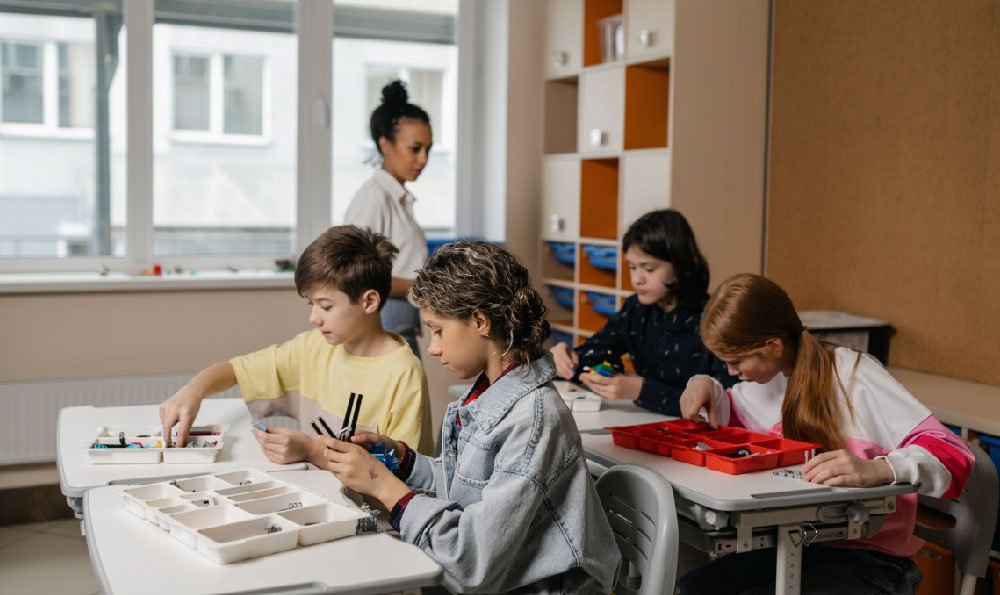
小学一年级是孩子学习的起点,家教在这个阶段发挥重要作用。要通过创设良好的学习环境来培养孩子的学习兴趣。为孩子营造安静、整洁的学习空间,提供适合学习的桌椅和灯光。家长可以选择一些寓教于乐的学习材料,如绘本、儿童音乐教材等,激发孩子的学习欲望。
二、制定合理的学习计划
在家教过程中,家长应制定合理的学习计划,确保孩子的学习时间和任务得以合理分配。根据小学一年级的课程安排和教材要求,安排孩子逐步掌握各科目的知识点和技能。关注孩子的学习进度,及时调整学习计划,确保孩子的学习效果。
三、采用多样化的教学方法
在家教过程中,家长要采用多样化的教学方法,以满足不同孩子的学习需求。可以结合讲解和示范,以及亲身参与教学活动,提高孩子的学习兴趣和主动性。还可以利用多媒体教学工具,如电子课件、教育软件等,丰富课堂教学内容,提高教学效果。
四、注重学习能力的培养
小学一年级阶段,培养学生的学习能力至关重要。家教应注重培养孩子的自学能力和问题解决能力。在教学过程中,可以引导孩子自主思考、自主探索,激发他们的创造力和想象力。还可以适当提供一些学习技巧和方法,帮助孩子提高学习效率。
小学一年级的家教工作需要注重培养孩子的学习兴趣,并制定合理的学习计划。在教学中,采用多样化的教学方法,注重学习能力的培养。通过这些努力,可以帮助孩子在小学一年级阶段取得良好的学习成绩,为以后的学习打下坚实的基础。